LONGCULTURAL
INTELLIGENCE
龍文化智識
Work with LONG ↗與 LONG 合作 ↗
LONG PUBLISHING / PUBLICATION & CULTURAL ARCHIVE出版與文化資料

Liu Jin劉瑾

Photographer and author攝影師與作者

Publishing出版Books書目Authors作者Media媒體Events活動
Liu Jin · Photographer and author
Liu Jin · Photographer and author劉瑾 · 攝影師與作者

Biography人物介紹

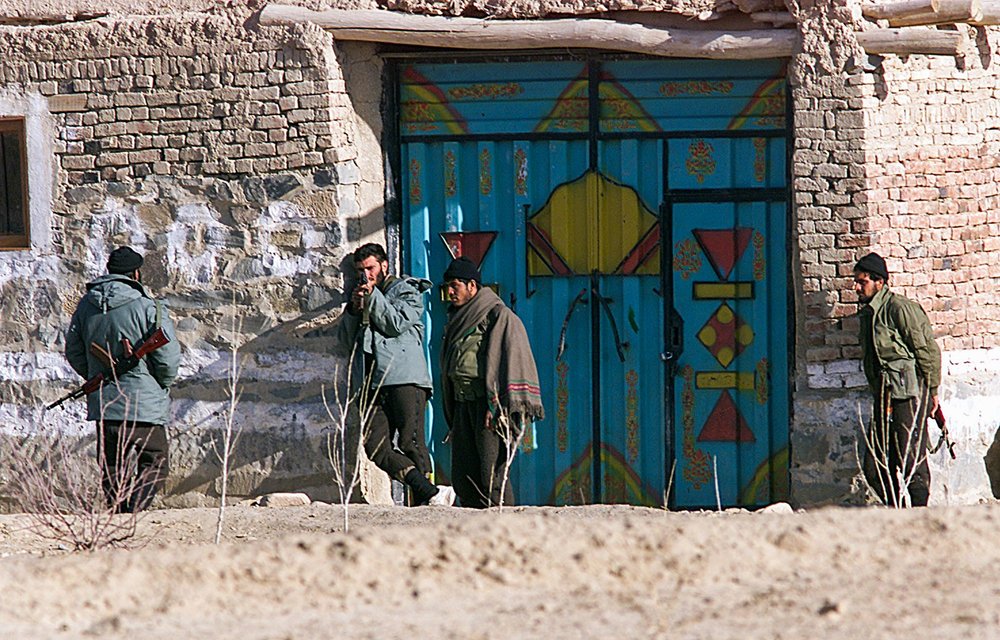
Born in Chengdu, Sichuan, in 1973, Liu Jin is an independent photographer who joined Agence France-Presse in 1999 and worked in its Shanghai and Beijing bureaus. The original biography describes him as the first and only Chinese-national war correspondent employed by a foreign media organization. He received an Award of Excellence at the 66th Pictures of the Year International competition. He first reported from Afghanistan in January 2002, then from Iraq in 2005 and Afghanistan in 2009. His exclusive photographs appeared in major publications worldwide. Spain’s El País profiled his experience in “A Chinese Man in Iraq.” In 2009, he was invited to speak at the Sichuan International Television Festival’s forum on media responsibilities in disasters and breaking news.1973年生於中國四川成都。 目前是獨立攝影師。 他1999年進入法國新聞社,先後在法新社上海和北京分社擔任攝影記者。 劉瑾是迄今為止第一位也是唯一一位任職外國媒體的中國籍戰地記者。 他曾榮獲第66屆POYI (Picture of Year International) 國際新聞攝影比賽優秀獎。 2002年1月劉瑾第一次赴阿富汗採訪。 2005年和2009年又分別赴伊拉克和阿富汗採訪,大 量獨家戰地新聞攝影作品被世界眾多知名媒體採用。 世界發行量最大的⻄班牙語報刊《國家報》曾以《一個中國人在伊拉克》為題對劉瑾的戰地 經歷作了專訪。2009年四川國際電視節“災難及突發事件媒體的職責與應對策略”高峯論壇 特邀劉瑾作主題演講。

Published work出版作品

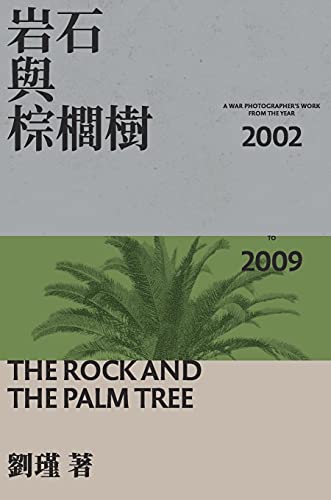
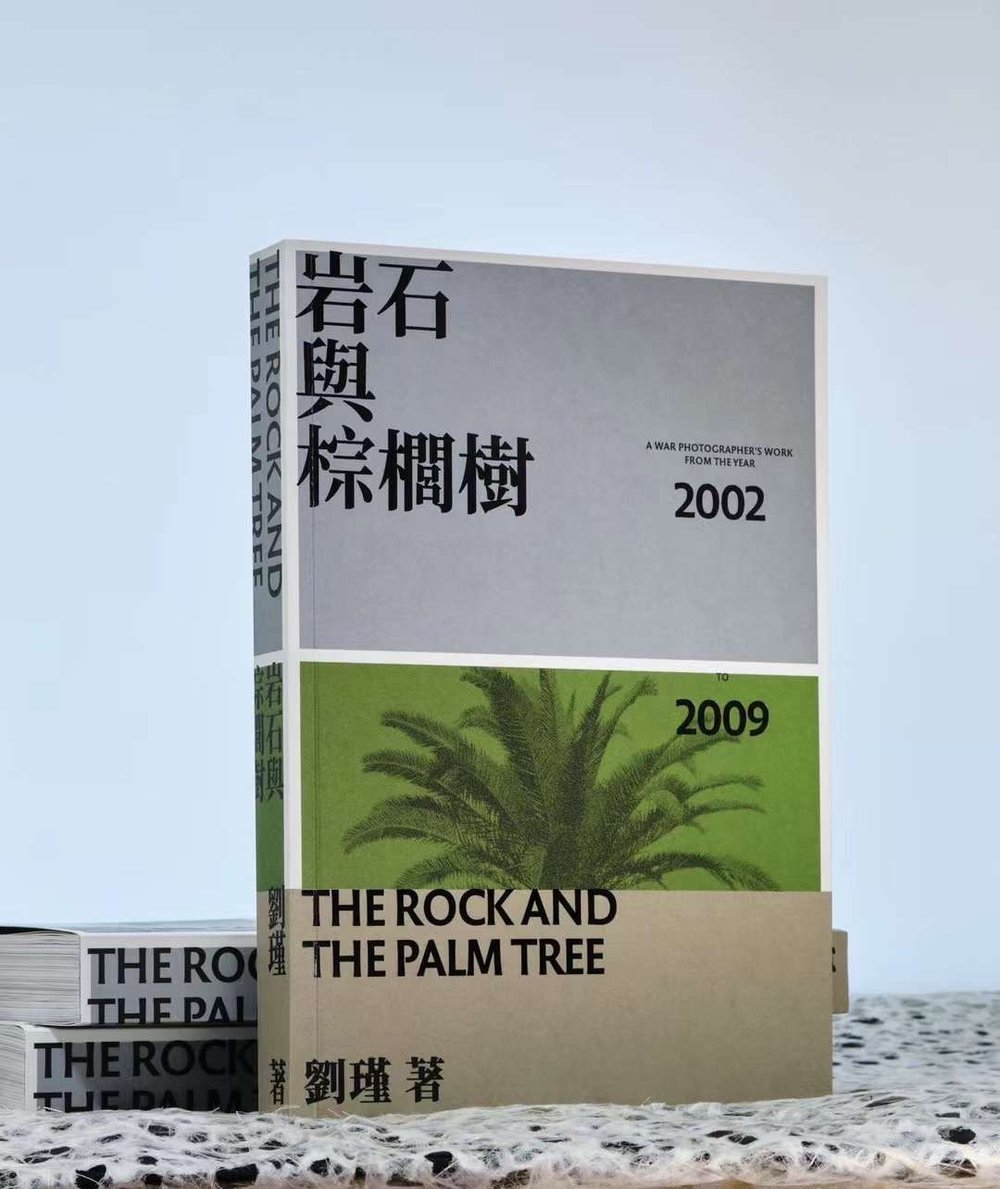
The Rock and the Palm Tree · Book cover
The Rock and the Palm Tree · Book cover《岩石與棕櫚樹》 · 書封
War photography & memoir戰地攝影與回憶錄

The Rock and the Palm Tree岩石與棕櫚樹

Liu Jin劉瑾

Publication date出版日期
2021-09-11
ISBN-13
9781953903020
Format裝訂
Hardcover精裝

The story behind the book書籍背後的故事

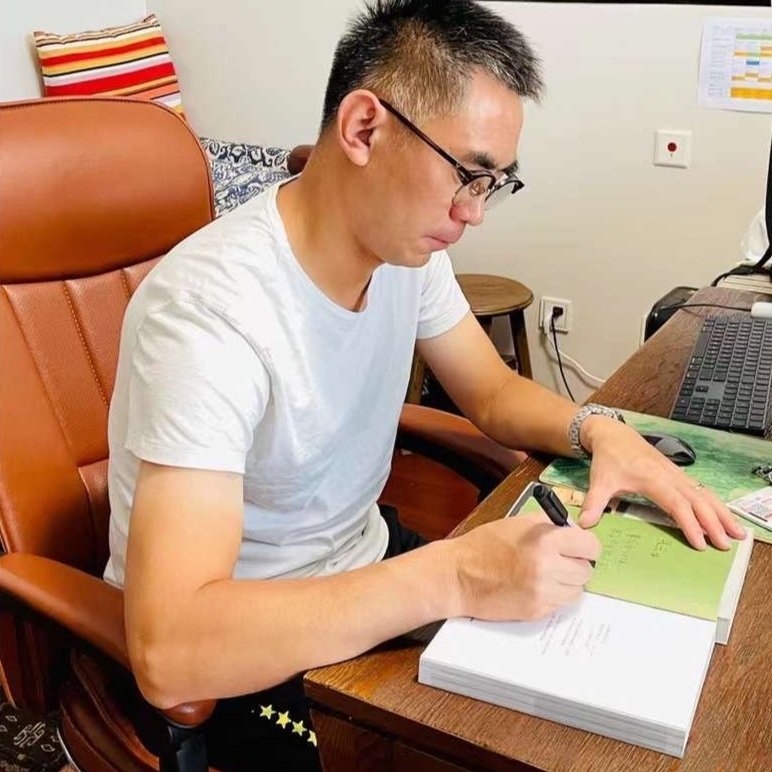
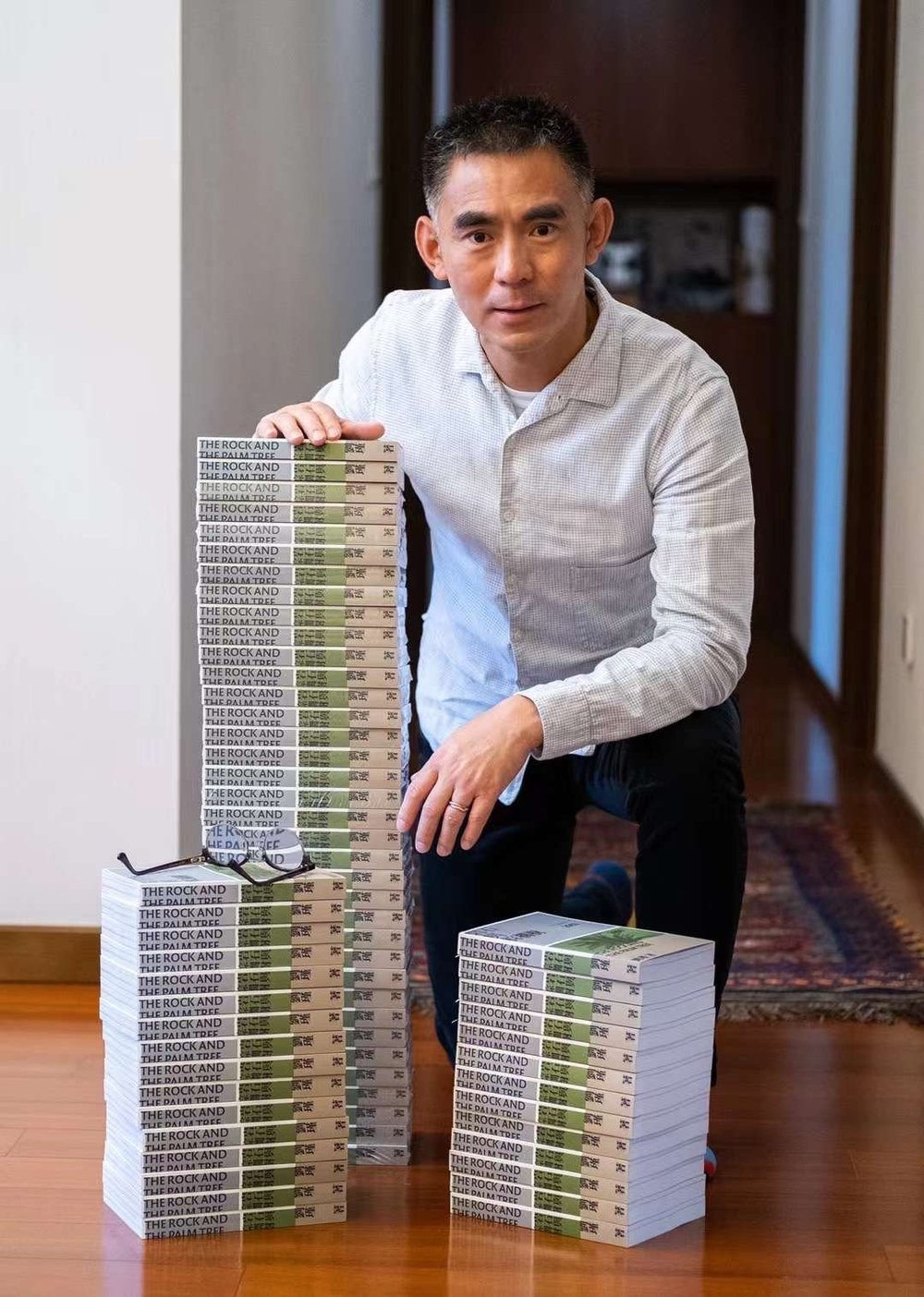
Liu Jin with copies of The Rock and the Palm Tree
Liu Jin with copies of The Rock and the Palm Tree劉瑾與《岩石與棕櫚樹》

A note from Liu Jin劉瑾的話

Thank you to my dear family and friends for supporting The Rock and the Palm Tree. The limited designer edition has sold out. Interested readers can still find the book on Amazon, which is especially convenient overseas. Search by its Chinese or English title.感謝摯愛親朋們對《岩石與棕櫚樹》的大力支持,設計師限量版已經售罄了。感興趣的朋友或朋友的朋友們可以繼續在亞馬遜上購買,尤其是海外的朋友們更爲方便。在海外亞馬遜上可按中英文書名來搜索。

The Rock and the Palm Tree · Book photograph
The Rock and the Palm Tree · Book photograph《岩石與棕櫚樹》 · 書籍照片

Rock, palm trees and lives at the front岩石、棕櫚樹與前線人生

The rock represents Afghanistan to me: its geography, but also the hardships the country has endured over a century.岩石:在我心中代表阿富汗,不光是因爲阿富汗的地理環境,也象徵着阿富汗百年來的艱辛。

The palm tree represents Iraq. The Tigris and Euphrates mentioned in Genesis flow mainly through Iraq, a birthplace of human civilization. Palm trees are characteristic of the region, and symbolize victory, life, prosperity and rest.棕櫚樹:在書中代表的是伊拉克。聖經在創世紀第二章中提到的底格里斯河和幼發拉底河的主要流域就是在伊拉克,是人類文明的發源地。兩河流域的主要植物便是棕櫚樹。棕櫚樹更是象徵着得勝、生命、興旺與安息。

War zones, photography and reporting draw many journalists. To those living in peace, war may seem distant. We glimpse gunfire, life and death, and reporters crawling through smoke in scattered images on screens and in newspapers. When a photographer beside us tells us about life on the front lines as a friend would, we can discover stories hidden behind the news.戰地,攝影,記者,這是多少新聞人的嚮往! 當戰爭來臨,身處和平的我們會覺得離我們很遙遠。舉目望去,紛飛的戰火、慘烈的生死和 硝煙中匍匐採訪的新聞記者,一幀幀一幕幕,我們只能透過屏幕和報刊的新聞報導獲得零碎 信息。 當一位身邊人像朋友一樣跟你講述自己的戰地親歷,相信你一定會從中看到新聞背後那些隱 祕的故事。

This book records the wartime experiences of a Chinese AFP photojournalist who accompanied troops on three assignments in Afghanistan and Iraq. He survived an AK-47 shot aimed at his head, encountered a car bomb while patrolling with American troops, and went to great lengths to find a bowl of Sichuan boiled beef. Through powerful photographs and vivid accounts, he shows the realities of combat and daily life on the front lines of the war on terror, deepening our understanding of those who suffered through it. The book also offers practical insights into equipment, exposure and shooting positions for photojournalists and photography enthusiasts.本書記載的就是一位中國籍法新社攝影記者的戰地經歷。 他三次赴阿富汗、伊拉克隨軍採訪,曾被AK-47步槍瞄準腦袋開槍,曾隨美軍巡邏遭遇汽車 炸彈,曾為了喫一碗水煮牛肉費盡周折...... 本書通過精彩的戰地攝影作品和豐富的採訪經歷,向讀者展示了美軍在反恐戰爭前線最真實 的戰鬥場面和生活場景,也讓讀者對曾經身處戰爭苦難人們有了更多的瞭解。 本書也是一部生動的戰地攝影祕笈。什麼樣的器材纔是最好用的,什麼樣的曝光纔是最佳 的,什麼樣的拍攝姿勢纔是最成功的......各位新聞攝影同行和攝影愛好者也能從中獲益多多。

Reporting, reflections & photographs報導、閱讀心得與攝影作品

Roses amid Merciless Gunfire: A Chinese War Photographer Witnesses Life and Devastation at the Front玫瑰開在無情的槍炮裏:中國戰地攝影師親歷前線的生命與瘡痍

The Paper · October 3, 2021 · 8:05 a.m.澎湃新聞 2021-10-03 08:05:31
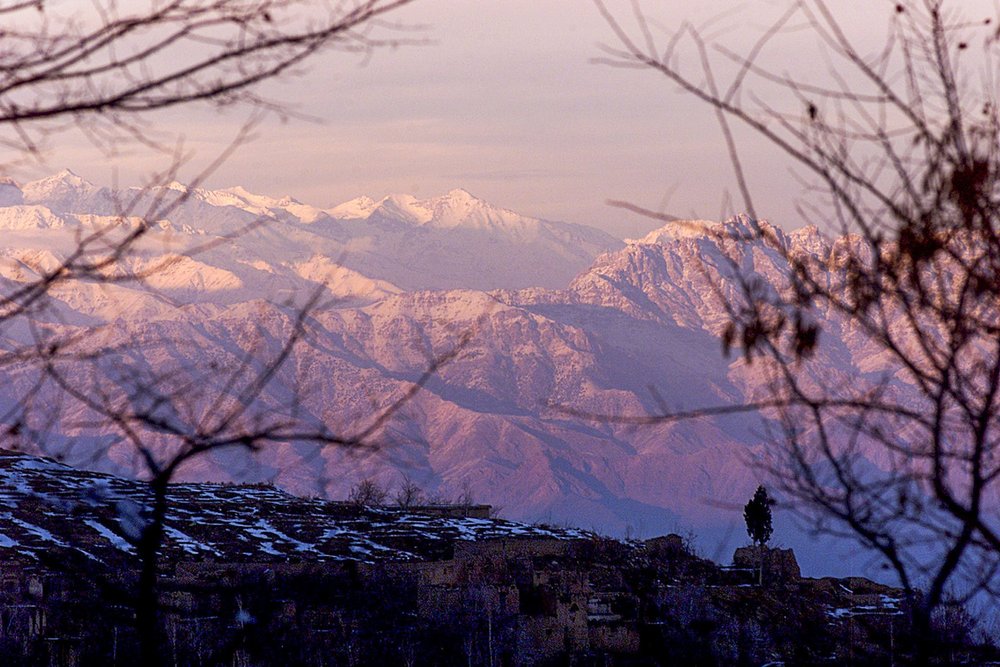
Mountain landscape — from Liu Jin’s war photography archive
Mountain landscape — from Liu Jin’s war photography archive山地景觀——劉瑾戰地攝影資料

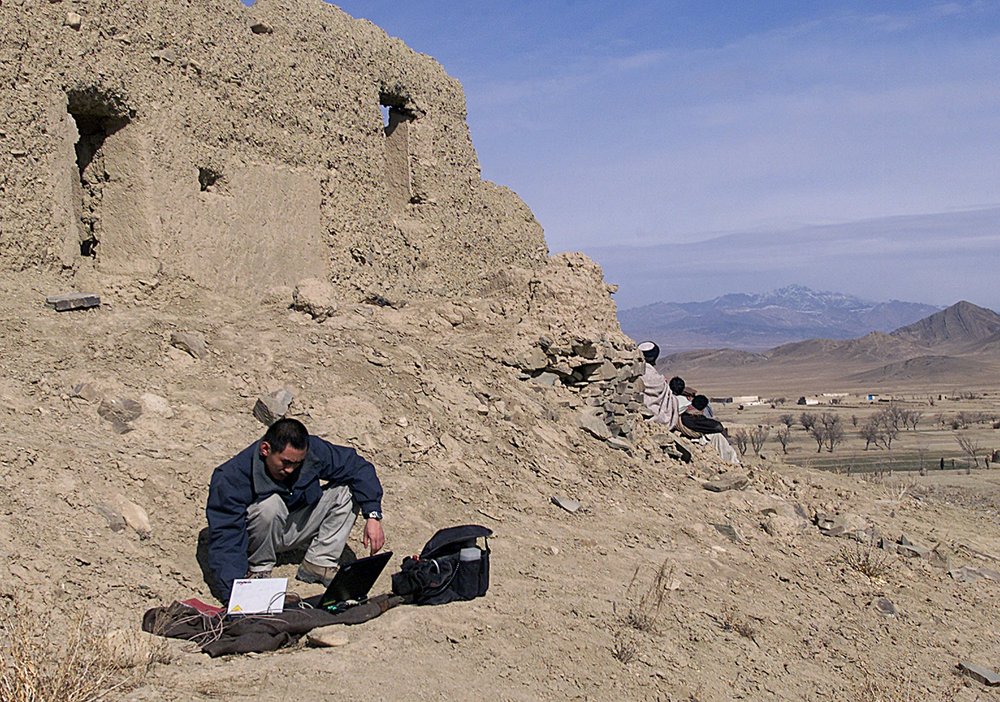
On August 15, 2021, Afghanistan’s government announced a peaceful transfer of power to the Taliban, and President Ashraf Ghani resigned and left the country. The hurried American withdrawal and the Taliban’s return after twenty years brought war back into public discussion. Former AFP photographer Liu Jin had reported from wartime Afghanistan in 2002, and accompanied international security forces in Iraq and Afghanistan in 2005 and 2009. His wartime photography memoir The Rock and the Palm Tree was published in 2021.2021年8月15日,阿富汗政府宣佈向塔利班和平移交政權,總統阿什拉夫·加尼宣佈辭職並離開阿富汗。美軍倉促撤退,時隔20年,塔利班重掌阿富汗,也讓“戰爭”“戰地”重回人們日常生活的視線與熱議話題中。攝影師劉瑾,前法新社攝影記者,曾於2002年深入戰場採訪戰時阿富汗,並在2005年和2009年兩度作爲國際安全部隊的隨軍攝影記者在伊拉克與阿富汗戰爭前線拍攝了大量獨家新聞作品。2021年出版個人戰地攝影回憶錄《岩石與棕櫚樹》。
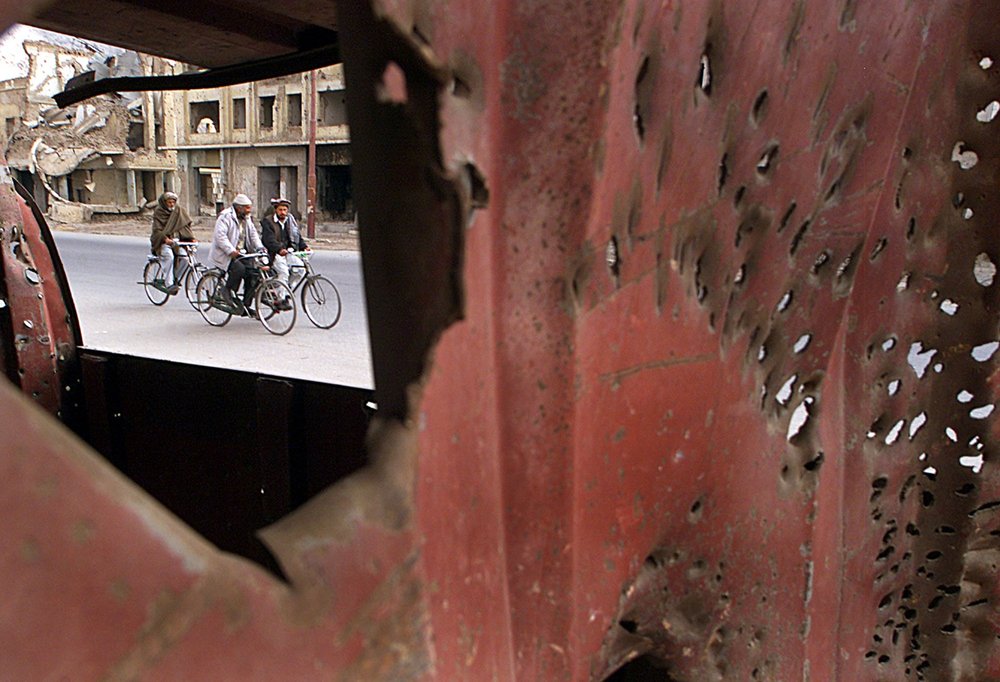
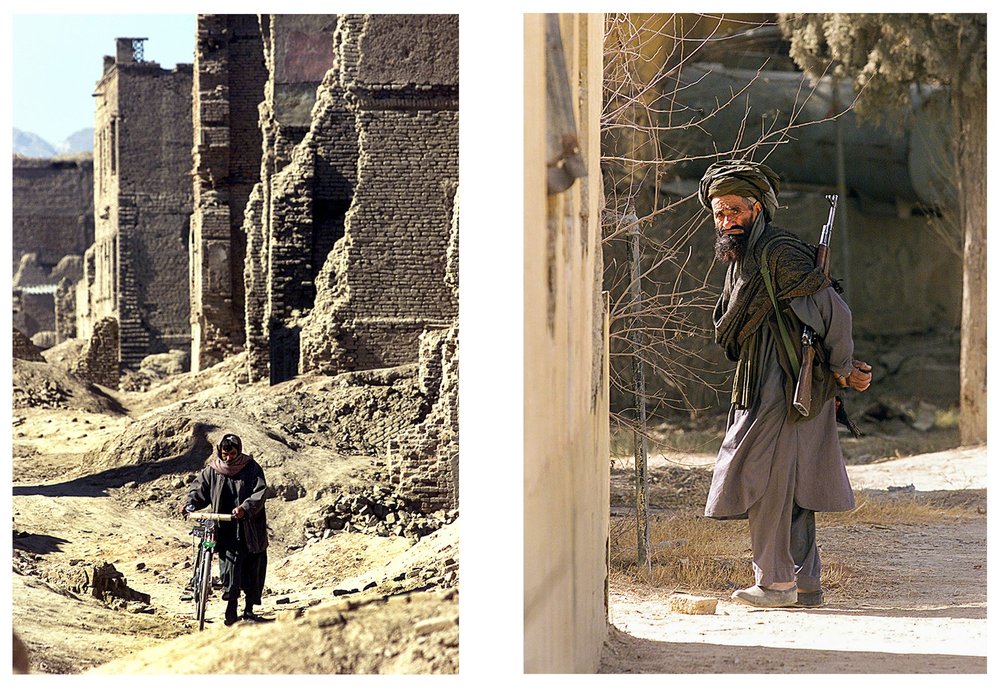
Street scene framed by damaged metal
Street scene framed by damaged metal透過受損金屬看見的街景
People and damaged buildings
People and damaged buildings人物與受損建築

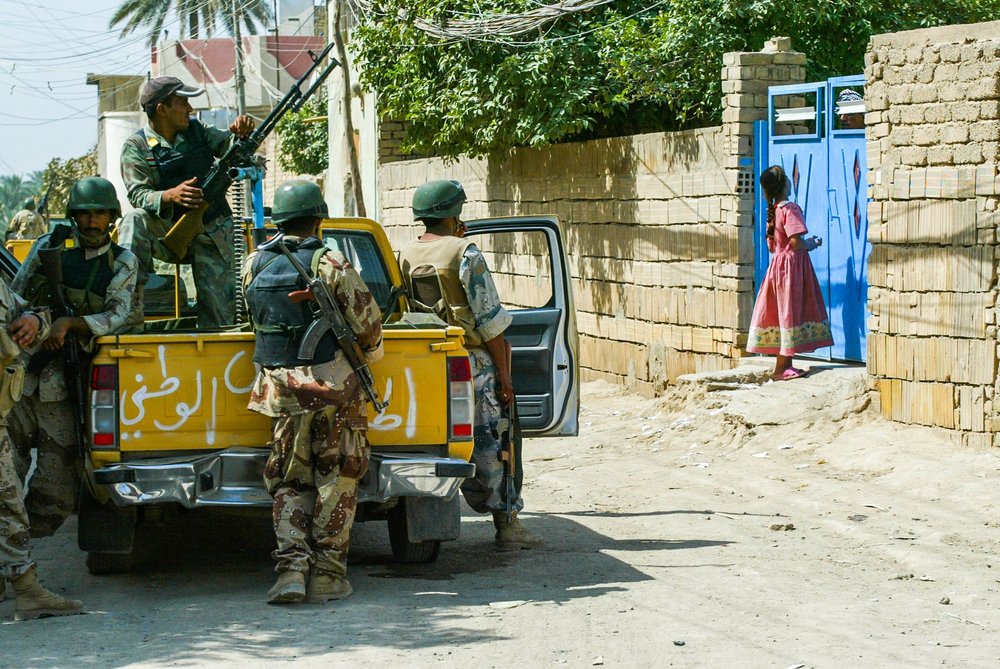
Years later, Liu still remembers many details because he kept a diary, making a special record of an extraordinary experience. If something happened to him, he wanted family and friends to know who he was and what he was doing. For him, people are always central to war: they create it and experience its consequences. Photographs of combat matter and can be visually powerful, but the true focus remains the people within it. His sensitive images of ordinary, barefoot people with light in their eyes invite understanding of life in conflict from the perspective of our present peace, rather than mere shock or sympathy.時隔多年以後再寫當時的戰地生活,劉瑾依然清晰地記得許多細節,主要原因是因爲當時寫了日記,“這是一種不同尋常的經歷,特別的記錄給特別的經歷”,萬一遭遇不測,“我想讓家人朋友知道我是誰,我在幹什麼。”他說。“在一場戰爭中人永遠是主角,只有人才能賦予戰爭各樣的意義。戰爭中反映戰況的照片雖然重要而且視覺衝擊力往往很大,很吸引大衆眼球,但歸根結底人是戰爭的製造者,人也是戰爭的直接受害者或受益者,所以真正的焦點永遠都不可能是戰爭這件事上面,而是其中的人。”所以因爲攝影師的細膩,那些平凡的、微不足道的、光着腳的、眼中有光的人們才讓我們能有更深的感慨,不是驚歎、亦不是同情,也許更接近於去理解,從當下的和平安穩中去理解衝突地區人們的無奈與“掙扎”。
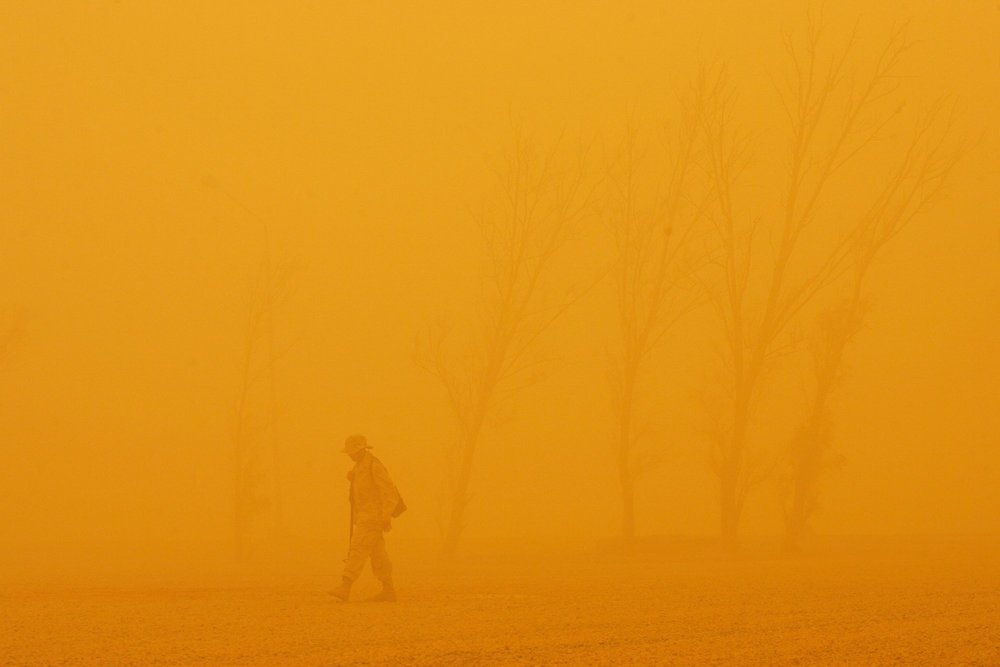
Figures in a dust-filled landscape
Figures in a dust-filled landscape沙塵中的人影

The memoir’s publication came at a coincidental moment. War is merciless, yet survivors continue living with resilience. In the book, Liu writes that journalists cannot save people, but by communicating objective truth they can act like streetlights along a dark road, helping Afghans who seek freedom feel less lost and alone.戰地攝影回憶錄的出版時間是個巧合,戰爭無情,活着的人們仍在努力生活着,展現出生命原始堅韌的力量。書中作者寫下的這樣一段話:“我們並不能成爲他們的拯救者,但是我知道,作爲客觀真相的傳播者,我們就好像昏暗道路旁的幾盞路燈,讓那些嚮往自由的阿富汗人民不至於迷失和絕望,讓他們覺得前面的路途並不孤單。”
Roses Blooming on Rock — Excerpt玫瑰開在岩石上(節選)

A Conversation about The Rock and the Palm Tree with Freelance Photographer Eric Zhang, Media Professional Xing Zhijun and Liu Jin以下爲自由攝影師 Eric Zhang、媒體人邢志軍及劉瑾關於《岩石與棕櫚樹》的談話

Eric Zhang

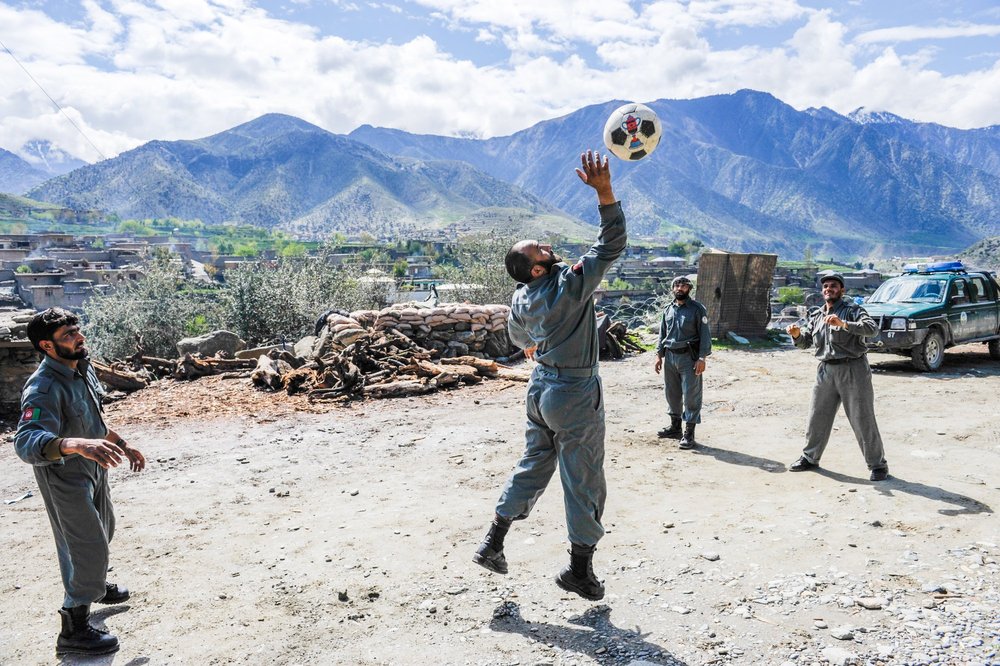
Soldiers in a mountain setting
Soldiers in a mountain setting山地中的士兵

I had heard Liu describe these experiences many times, yet reading the book carefully still took me a whole day.這一段經歷早就聽劉瑾講述過很多次了,但孜孜不倦地看完這本書仍然花了我整整一天的時間。

Setting aside our friendship and my work as a photographer, I found the collection captivating as an ordinary reader. It is a rare war photographer’s journal, made especially immediate by its Chinese perspective. Its fluent writing, rich detail and Chengdu humor in hardship vividly recreate a photographer’s life and work. It even makes me want to taste the green-pepper chicken wings Liu cooked for colleagues amid the fighting.拋開朋友和攝影師的身份,作爲一個普通讀者來說,這本攝影集也依然非常引人入勝,是一本不可多得的戰地攝影師手記,更何況這是一箇中國攝影師的視角,更讓我們覺得親切。流暢細膩的文字、豐沛生動的細節,配合成都人特有的苦中作樂的幽默感,真實客觀地還原了一個戰地攝影師的工作和生活原貌,不光讀起來趣味盎然,還會讓人想要嘗一口劉瑾在戰火紛飛中做給同事們喫的青椒雞翅。

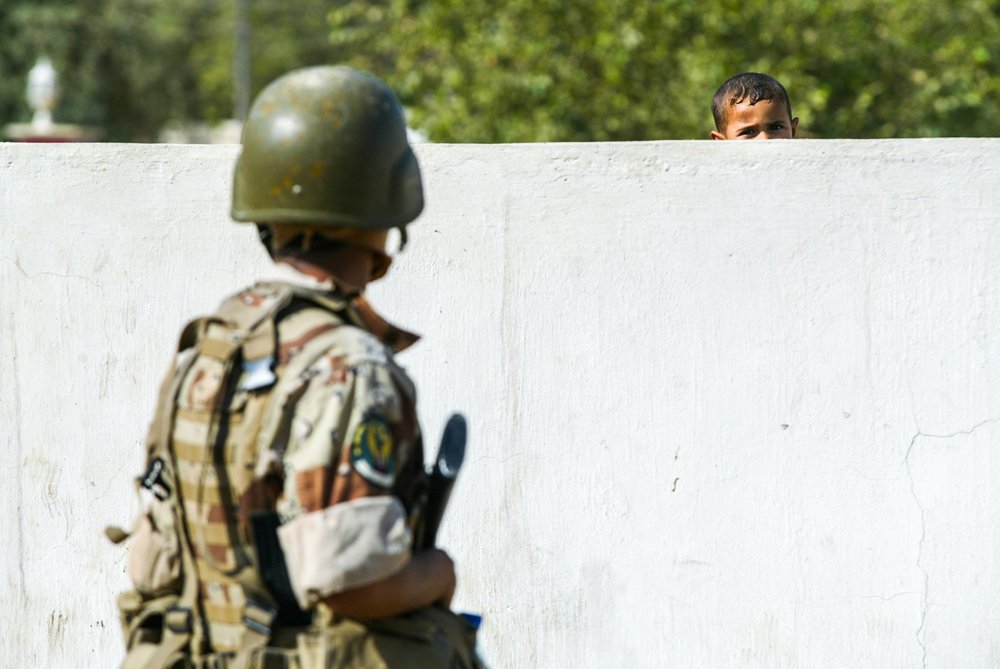
A soldier beside a wall
A soldier beside a wall牆邊的士兵

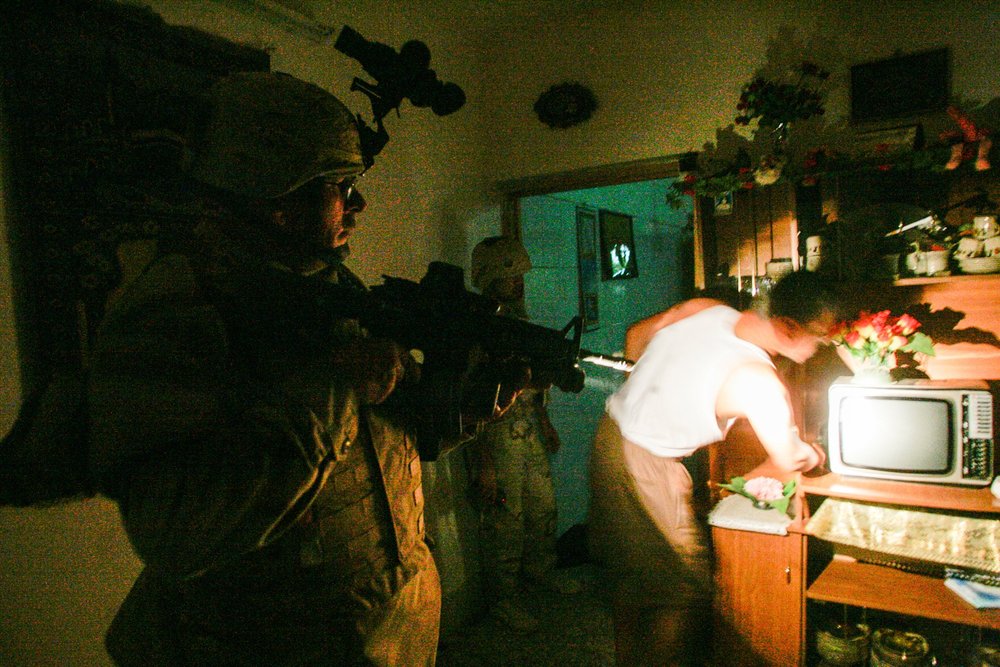
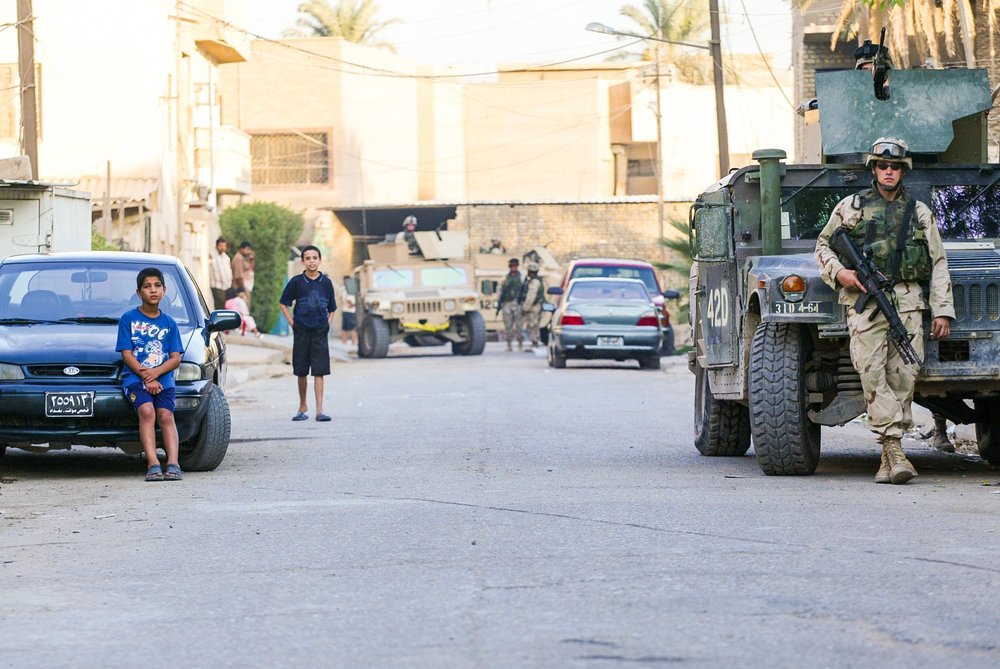
Most astonishing is the wealth of photographs. I have never encountered such a thorough record of war in this region from so many perspectives, and its Chinese photographer makes it especially valuable. Beyond cruelty and disregard for life, Liu shows the daily lives of soldiers on both sides and ordinary civilians, revealing how individuals and groups exist within the particular circumstances of war.然而最令人歎爲觀止的還是海量的照片。迄今爲止,我沒有在任何媒介看到有人從如此多的角度紮實豐沛地記錄這片土地上的戰爭照片。何況這還是一名中國攝影師拍攝的,就顯得尤爲珍貴。與以往我們看到的戰爭畫面相比,劉瑾的作品顯然擁有非常細膩的視角和豐富的維度,除了表現戰爭一貫的殘酷和對生命的漠視,他更多得是爲我們展示了戰爭雙方的士兵和普通民衆的日常生活,展示了“人”這個個體和羣體,在戰爭這一特殊語境下的狀態。

In Liu’s lens, even the smallest life is unique: the red nails of a schoolgirl beneath her burqa, a child’s innocent smile despite a missing arm, an American female officer reading a fashion magazine beside a pool, Afghan soldiers dancing freely, an ornament on a rifle, a rose on a soldier’s cap, and the photographer who brakes sharply at the sight of a plastic bag even after returning to Shanghai. Each image offers a life with which readers can connect.在劉瑾的鏡頭下,再渺小的生命都是那麼獨一無二,蒙着 burqa的女學生偷偷塗上的紅指甲,失去手臂的孩童天真的笑臉,在泳池邊看時尚雜誌的美國女軍官,忘情跳舞的阿富汗士兵,槍筒上可愛的掛墜,軍帽上插着的玫瑰,回到上海後還會被塑料袋嚇得猛踩剎車的攝影師本人……都是讓每個讀者都能帶入共鳴的生命。

Liu does not confront us with war by photographing brutality alone. He shows living people with distinct personalities and feelings. He lays out humanity’s tenderness, brightness, beauty and hope within devastated landscapes of rock and palm trees, allowing roses to bloom amid merciless gunfire.劉瑾不是通過捕捉戰爭的殘酷來讓我們來直面戰爭的慘烈的。 他是通過捕捉一條條鮮活的,獨具個性、充滿感情的生命,來表現戰爭。 他把那些人性中柔軟的、光明的、美好的、充滿希望的細節鋪開在我們面前,鋪開在那滿目瘡痍的岩石與棕櫚樹的國度裏,讓玫瑰開在無情的槍炮裏。

Military vehicles on a street
Military vehicles on a street街道上的軍用車輛

Susan Sontag observed similarities between photography and literature, between images and words. Through a lens, the objective world takes on a perspective belonging to the photographer.蘇珊.桑塔格曾經說過,攝影和文學相似,照片和文字相通。透過鏡頭看世界,客觀的世界便會自動呈現出一種獨屬於拍攝者的視角。

Through Liu’s lens, we can reconsider these long wars and approach the countries of rock and palm trees more closely.我們不妨通過劉瑾的鏡頭,去反思和回味這片土地上曠日持久的戰爭,走近那個遍佈岩石與棕櫚樹的國度。

Seeing His Photographs, I Asked Myself: What Have I Left Behind?看到他的照片我突然反問自己:我留下了什麼?

Xing Zhijun邢志軍

An interior scene during a military operation
An interior scene during a military operation軍事行動中的室內場景

I met Liu in the late 1990s, shortly after he graduated in photography from the Beijing Film Academy. Energetic and bright-eyed, he was determined to become a journalist rather than work in film. He seemed built for photojournalism. Through many changes, he never put down his camera. During a difficult period, I found him in a factory building outside Beijing, after he had left AFP and opened a portrait studio. He seemed subdued but unwilling to give in. Watching him shop and cook beneath a brilliant sunset, hearing his vigorous Sichuan-accented conversation, I knew he had not surrendered or become cynical after facing death. He was gathering strength to take flight again.認識劉瑾還是上世紀90年代末,當時他剛從北電攝影系畢業,濃眉大眼透着意氣風發。他不想玩電影,執意要當記者。看他的身板和機靈勁,料想他也是做攝影記者的料。往後他兜兜轉轉,經歷了許多,但一直沒有放下相機。在他最迷茫的時候,我在北京郊外的一間廠房裏找到他,此時他已經離開法新社,搞了人像攝影工作室,看似有些落寞,但又有些不甘。晚霞滿天時他去買菜,擼起袖子炒菜的時候,我確認他沒有頹廢。他帶着巴蜀口音的絮絮叨叨的洪亮話語裏,沒有親歷生死後的看破紅塵,更沒有玩世不恭,他在憋着勁,要重新起飛。

One late-spring day in 2019, Liu called me to Shanghai to discuss a book of war photography. By then he had two sons and lived in a three-story house. Despite a few new lines on his forehead, his eyes held the same energy as twenty years earlier. In his study, he paced between stacks of large hard drives while scenes of war in the Middle East played on his computer.2019年春深的一天,劉瑾電話約我去上海一起商討出一本戰地攝影書,此時的他已經是兩個兒子的爸爸,住着三層小樓,除了額頭上堆起的幾道肉紋,濃眉下放射出的依然是二十年前的意氣風發。他在書房裏邁着大步,忽而昂首忽而彎腰,桌上堆着幾個大容量硬盤,電腦屏幕上放映着來自中東的“戰爭”。

This was the first time I had seen his war photographs. Despite years in media and work with outstanding photographers, I had paid more attention to Liu’s personal life. Seeing his photographs from one Iraq and two Afghanistan assignments, and hearing the stories behind them, left me silent. I finally understood him as a courageous frontline reporter. My own writing about photography had largely concerned peaceful urban and rural life in China. Liu’s work overturned my ordinary understanding of a photographer’s profession. With intelligence, courage and the smell of gunpowder, he had remained at the front.這是我第一次看到他的戰地照片!說來也很奇特,在媒體多年,也與中國最優秀的攝影團隊一起戰鬥過,但對於友人劉瑾關注更多的是他的生活。看到他一次伊拉克兩次阿富汗的戰地攝影照片,聽他講述每一張照片背後的故事,我沉默了。這時候才切實感受到他是一名記者,一名衝鋒陷陣不畏艱險的戰地攝影記者!我從來沒做過攝影記者,卻就攝影寫過一些文章,如照片裏的關係學、沒有第一現場的現場攝影態度等,所經歷的大多是中國和平環境下的城鄉生活,劉瑾的戰地攝影完全顛覆了我對一個記者尤其是攝影記者的常規認知。他一直以記者的身軀在進擊,帶着智慧和勇敢,他一直在新聞的最前沿,帶着硝煙味。

A person beside an earthen wall
A person beside an earthen wall土牆旁的人物

As I organized the photographs into chapters, his paths through Iraq and Afghanistan became clearer. The years when we had little contact—my quiet life in Hangzhou and his risk-taking at the front—became scenes of light and fire: an airport explosion that colleagues calmly identified as a landmine; following the UN secretary-general through chaos; learning to place a bulletproof vest between the body and a vehicle door. Publication went unexpectedly smoothly: fourteen chapters, more than 260 photographs, over 27,000 Chinese characters and 396 pages. It became more than a photography book: a record of a Chinese journalist’s defining professional experiences, an enduring monument.在我嘗試給他的戰地攝影做分類編輯章節時,他在伊拉克和阿富汗的足跡逐漸明朗起來,那段沒怎麼聯繫的時光——我在杭州安逸他在戰場冒死——拼接出一幅幅光與火的畫卷:“機場內一聲巨響,同事淡定地說不知道誰踩了地雷”“混戰中追拍聯合國祕書長,搶鏡頭要握好動作尺度”“第二次出征,學會了把防彈背心隔在車門和身體之間”……書的出版意外的順利,14個章節,260多張照片,27000多字,396頁。這已經不是一部單純的攝影書,它是一部刻錄了一名中國記者職業生涯高光時刻的傳記,一座永恆的碑。

News is the first draft of history. Storms and flowers alike eventually settle into silence, and later generations write history. The Rock and the Palm Tree records Liu’s work as a war correspondent and may become evidence especially close to those events. It is a memorandum and a mirror.新聞是歷史的初稿,過往的一切無論風暴還是鮮花都將歸於沉靜。歷史自有後人書寫,這部《岩石與棕櫚樹》是劉瑾戰地記者的摹寫,或將成爲那場戰爭那段歲月最接近現場的史料。它是一份備忘錄,它是一個明鑑。

Liu Jin: How the book began劉瑾:這本書的起點

Civilian and military life on a street
Civilian and military life on a street街道上的平民與軍人

“When I opened my eyes and looked through the bright window, the aircraft was flying so close to the snowy mountain ridge that I felt I could touch it. We had been airborne for almost an hour and would soon land in Kabul.” One summer day in 2019, reclining on a sofa in my study, I suddenly remembered entering Afghanistan on a United Nations aircraft in 2002. That memory became the book’s opening.當我睜開眼睛,透過明晃晃的舷窗看見飛機正貼近山脊飛行,白雪覆蓋的山脊如此之近好像觸手可及。此時航班已經飛行了快一個小時,很快就要降落在喀布爾了……”2019年盛夏的某一天,我斜靠在書房沙發上若有所思,心裏突然一亮,想起了2002年坐着聯合國工作飛機進入阿富汗的情景,便有了整本書的開頭。

For years after returning from the front, I had occasionally thought of turning my experiences into a book or photographic collection, but I could never find a beginning. That day opened the curtain on my memories, and wartime scenes flashed through my mind like a film.從戰地採訪回來後的幾年,心裏斷斷續續萌生過把這些經歷都寫成書、做成畫冊的念頭,但每次都因爲沒有想好怎樣開頭而作罷。而那一天卻從這裏拉開了我記憶的序幕,戰地生活如電影畫面般一幕幕閃回在我的腦海中。

Soldiers outside a building
Soldiers outside a building建築外的士兵

The rock in the title represents Afghanistan: its geography and its century of hardship and strength. The palm tree represents Iraq, where the Tigris and Euphrates mentioned in Genesis run through a great birthplace of human civilization. Characteristic of Mesopotamia, palm trees also symbolize victory, life, prosperity and rest.書名中的“岩石”在我心中代表阿富汗,不光是因爲阿富汗的地理環境,也象徵着阿富汗百年來的艱辛與堅強;書名中的“棕櫚樹”代表的是伊拉克。聖經在創世紀第二章中提到的底格里斯河和幼發拉底河的主要流域就是在伊拉克,是人類文明重要的發源地之一。兩河流域的主要植物就是棕櫚樹。棕櫚樹更是象徵着得勝、生命、興旺、安息。

Both countries are heroes in my heart. True heroes withstand suffering and are refined by hardship; after a night of weeping, joy comes in the morning.在我心中,這兩個國家都是英雄。真正的英雄能承受苦難,在艱辛中淬煉;哭泣過一夜,清晨便迎來喜樂。

When 9/11 happened twenty years ago, I wondered: if the Twin Towers could disappear like this, what could not happen in the world? After war comes the clearing of smoke; after storms comes sunlight. Can we continue looking ahead with hope despite the unknown? In seeking an answer, I am fortunate that my camera feels like part of my body and photography gives me a way to explore, think and express myself. Images clearly show traces of time, yet also open onto an unlimited, unknown space that is real rather than virtual.就像二十年前9/11發生那天我就在想:“9/11都可以發生,雙子塔都可以以這樣的方式消失,那麼這個世界還有什麼不能發生的?” 戰爭爆發硝煙散去,風暴襲來陽光燦爛,我們能不能透過那些未知的事情依然滿懷盼望地看向未來?尋求答案的過程中,我很幸運的是不僅相機是我身體的一部分,而且攝影已然成爲我探索、思考和表達的一個通道和方式。攝影可以很具象,具象在於圖片上面輕而易舉可以看出時間的痕跡,同時它也可以擁有無限的空間,這個空間就是未知,一點都不虛擬,它很真實!

Original author archive原站作者資料 ↗